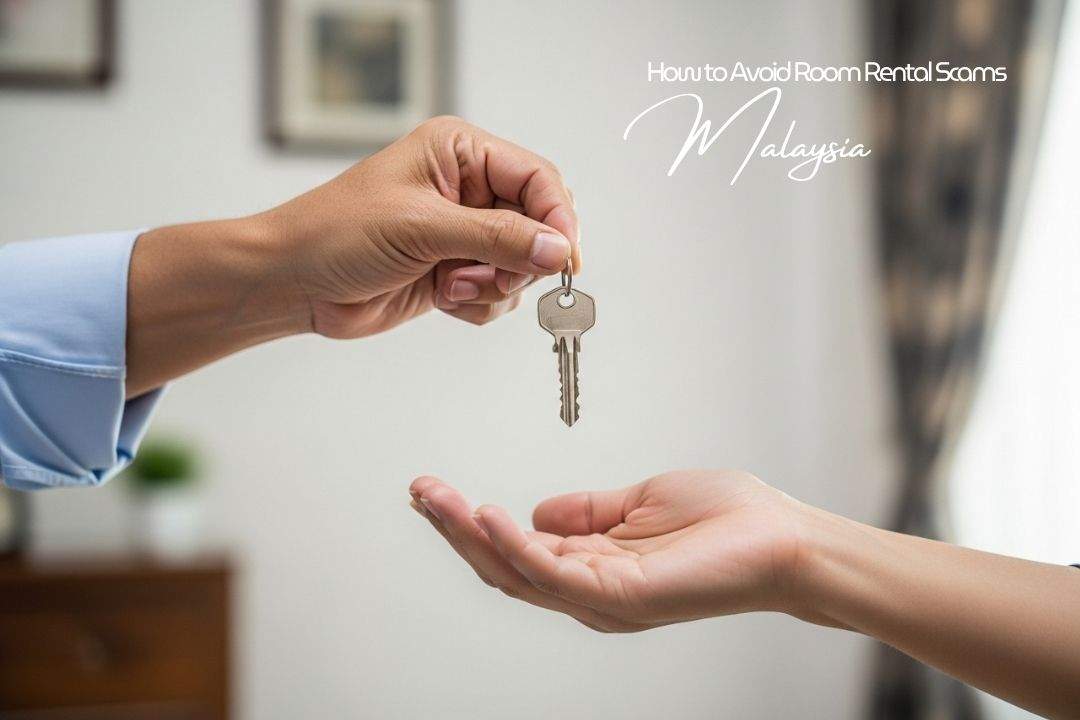
How to Avoid Room Rental Scams in Malaysia
Looking for a comfortable room in Kuala Lumpur, Penang, or Selangor is exciting, but falling victim to rental scams in Malaysia is a costly nightmare you must avoid. Fake landlords and shady "agents" are becoming increasingly sophisticated, often tricking students, expats, and first-time renters out of their hard-earned deposits. If a room listing looks too good to be true, it usually is.
Before you transfer a single Ringgit, you need to know how to verify property listings, spot payment red flags, and ensure your viewing process is completely safe.
This practical guide breaks down the common tactics scammers use and provides a clear checklist to protect yourself when searching for your next bilik sewa.
Common Patterns of Rental Scams in Malaysia
Scammers rely on your urgency and lack of experience. By recognizing their typical scripts, you can stop a scam before it even starts. Here are the most common patterns to watch out for.
The "I'm Currently Overseas" Excuse
This is one of the oldest tricks in the book. The scammer claims they own the property but are currently working overseas or living in another state.
Because they cannot show you the room personally, they will ask you to transfer a "booking fee" or a one-month deposit, promising to courier the house keys to you once the payment clears.
Never agree to this. A legitimate landlord will always have a local representative, relative, or registered agent to handle the handover.
Fake Agents and Stolen Photos
Many scammers scrape beautiful interior photos from legitimate property websites or Airbnb and create fake listings on social media groups.
They usually price the room significantly lower than the market rate in that specific area to bait victims.
When you contact them, they will pressure you to pay a deposit immediately to "lock in" the incredibly cheap price, warning you that many others are interested.
The Bait and Switch
In this scenario, the listing is real, but the room you are promised is not what you get. The scammer might show you a pristine master room during the viewing, but on move-in day, you are forced into a cramped, windowless single room. They will claim the original room is suddenly unavailable due to "maintenance issues."
Payment Red Flags You Must Never Ignore
Your money is most vulnerable right before the tenancy agreement is signed. Be extremely cautious if you encounter any of these payment red flags:
- Refusal to use local bank transfers: If they ask for payment via cryptocurrency, Western Union, or foreign bank accounts, walk away immediately.
- Using a personal account for an "agency" listing: If the person claims to be a property agent but asks you to transfer the deposit into their personal savings account instead of the real estate agency's client account, it is likely a scam.
- Demanding money before a viewing: You should never have to pay a fee just to view a room.
- Unusually low deposit structures: While zero deposit options exist legitimately through proper platforms, a random landlord offering "no deposit needed, just pay first month rent" without any formal contract or platform guarantee is highly suspicious.
Physical & Virtual Viewing Guide
A physical viewing is your best defense against a fake listing. It proves the room actually exists and gives you a chance to inspect the living conditions.
What to Check During a Physical Viewing
When you visit the property, don't just look at the aesthetics. Test the water pressure, check if the air-conditioning works, and inspect the door locks. More importantly, observe the person showing you the room.
Do they have the actual keys, or did they rely on an unlocked door? Ask specific questions about the neighborhood, the building management, and the utility bills. Scammers usually lack detailed knowledge about the property they are faking.
Navigating Virtual Viewings
If you are relocating from another state or country and must rely on a virtual viewing, take extra precautions. Do not accept pre-recorded videos. Insist on a live video call via WhatsApp or Zoom.
During the call, ask the person to perform specific actions—like opening a specific closet door, turning on the tap, or showing the view from the window. This proves they are physically inside the unit at that exact moment.
Step-by-Step Verification Tips
Before signing any documents or making a payment, follow this checklist to verify the identity of the person you are dealing with:
- Check the Agent's REN Number: If you are dealing with an agent, ask for their Real Estate Negotiator (REN) tag. You can verify their name, photo, and agency on the official Board of Valuers, Appraisers, Estate Agents and Property Managers (BOVAEA) website.
- Verify Bank Accounts via Semak Mule: Before making any bank transfer, input the landlord or agent's bank account number into the Royal Malaysia Police (PDRM) Semak Mule portal (ccid.rmp.gov.my/semakmule/). This database will flag accounts that have been reported for fraudulent activities.
- Ask for Proof of Ownership: It is completely within your rights to ask a direct landlord for proof that they own the property. You can politely request to see the latest assessment tax bill (cukai pintu) or a utility bill matching their name and the property address.
- Cross-Check the IC: Ensure the name on the bank account matches the name on the landlord's Identity Card (IC) and the tenancy agreement.
What Should Be in a Legitimate Tenancy Agreement?
A proper tenancy agreement protects both the tenant and the landlord. Scammers avoid paperwork because it leaves a legal trail. A legitimate room rental contract should clearly state:
- The exact rental amount and payment due date.
- The breakdown of the rental deposit (usually 2 months security deposit + 0.5 month utility deposit).
- The specific room you are renting (e.g., "Master Bedroom with attached bathroom").
- Rules regarding housemates, visitors, and maintenance responsibilities.
Once signed, ensure the document is stamped at the Inland Revenue Board of Malaysia (LHDN). Stamping makes the tenancy agreement legally admissible in a Malaysian court.
For a safer, more transparent renting experience, skip the shady social media groups and start your search on a trusted platform for room rental in Malaysia. Doing your research on a verified platform significantly reduces your risk and connects you with legitimate landlords and agents.